Analysis of TorZon Market Link
Comprehensive operational history, timeline, and feature review.
Executive Summary
TorZon Market Link represents a specific iteration of hidden service marketplace architecture within the Tor network. Established in late 2022, the platform was designed to address scalability issues prevalent in previous generation markets. Observers note that the infrastructure prioritizes uptime resilience through a decentralized mirror rotation system.
Unlike centralized e-commerce platforms, TorZon Market Link operates on a peer-to-peer escrow model. The system acts as a neutral arbiter, holding funds in multi-signature wallets until transaction finality is confirmed by both parties. This structure minimizes the risk of direct theft, although it introduces complexity regarding dispute resolution.
The platform has shifted significantly toward Monero (XMR) adoption, reflecting a broader trend in the darknet ecosystem to mitigate blockchain surveillance analysis. While Bitcoin (BTC) remains supported, the architecture incentivizes privacy-centric cryptocurrencies.
SYSTEM METRICS
Technical Architecture
An analytical breakdown of the security protocols and functional components that drive the TorZon ecosystem.
DDoS Mitigation
TorZon utilizes a "Endgame" style captcha challenge system, requiring proof-of-work before granting access to the main load balancer, effectively filtering botnet traffic.
2FA Enforcement
Mandatory PGP Two-Factor Authentication (2FA) for all vendor accounts. The system encrypts a random token with the user's public key upon every login attempt.
Multisig Escrow
Implementation of 2-of-3 multisignature transaction logic. Funds cannot be moved without the consensus of at least two parties (Market/Buyer/Vendor).
Mirror Rotation
Dynamic generation of .onion mirrors. The main database pushes signed updates to verified mirrors, ensuring availability even if specific nodes go offline.
Interface Analysis
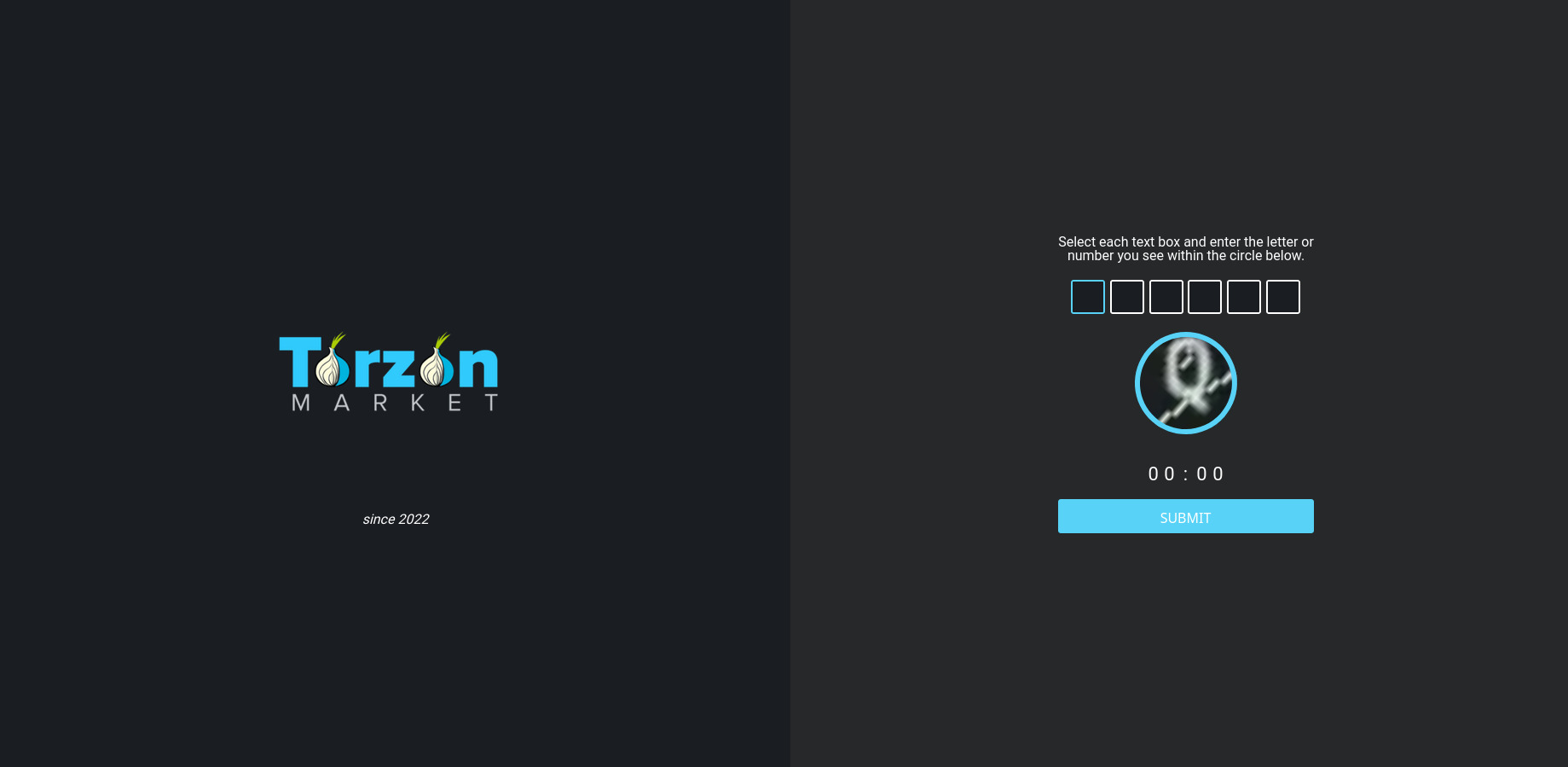
Figure 1.0: Protection Layer
Initial queue management and captcha verification.
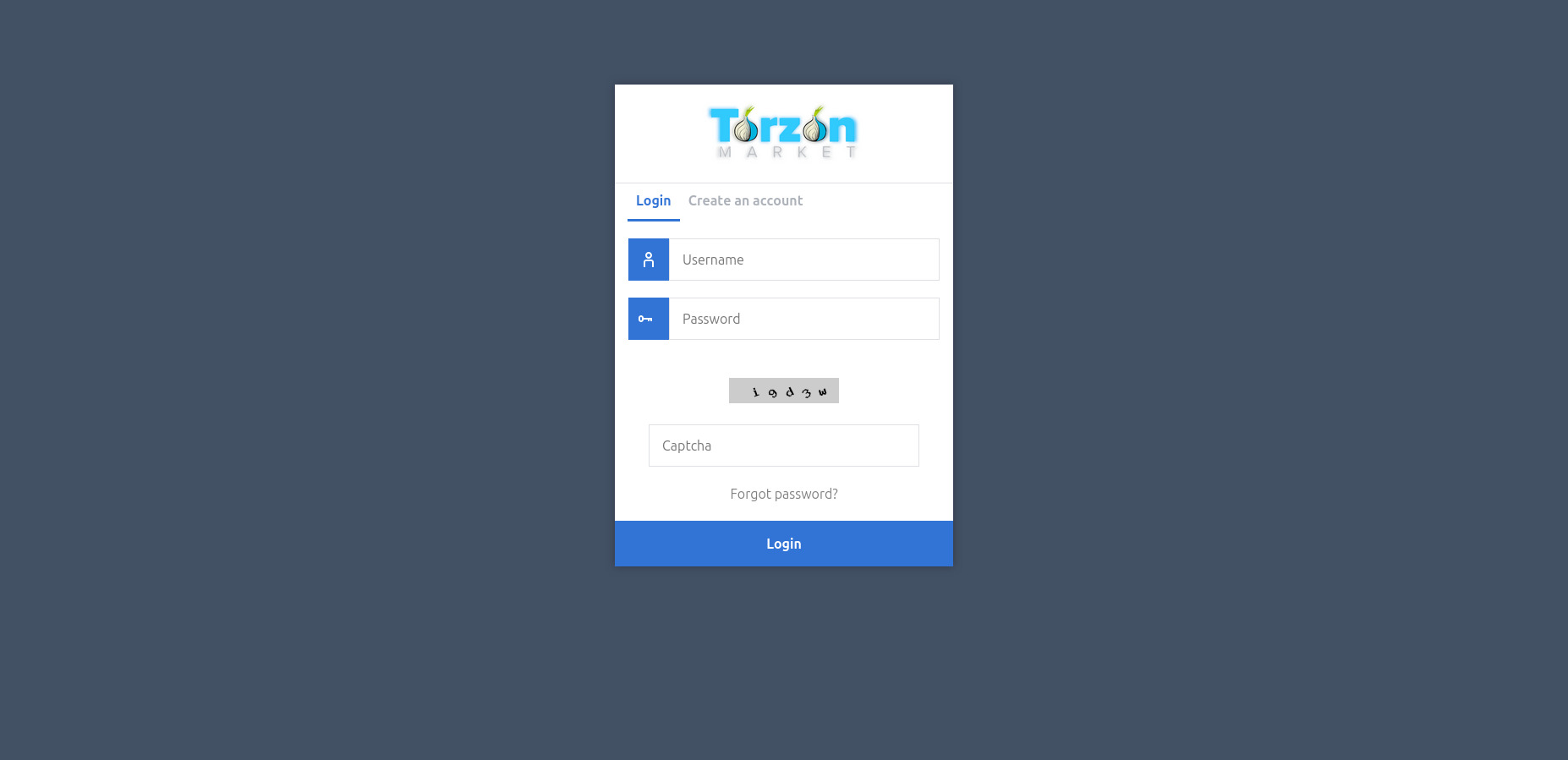
Figure 1.1: Authentication
Standardized login portal with PGP challenge integration.
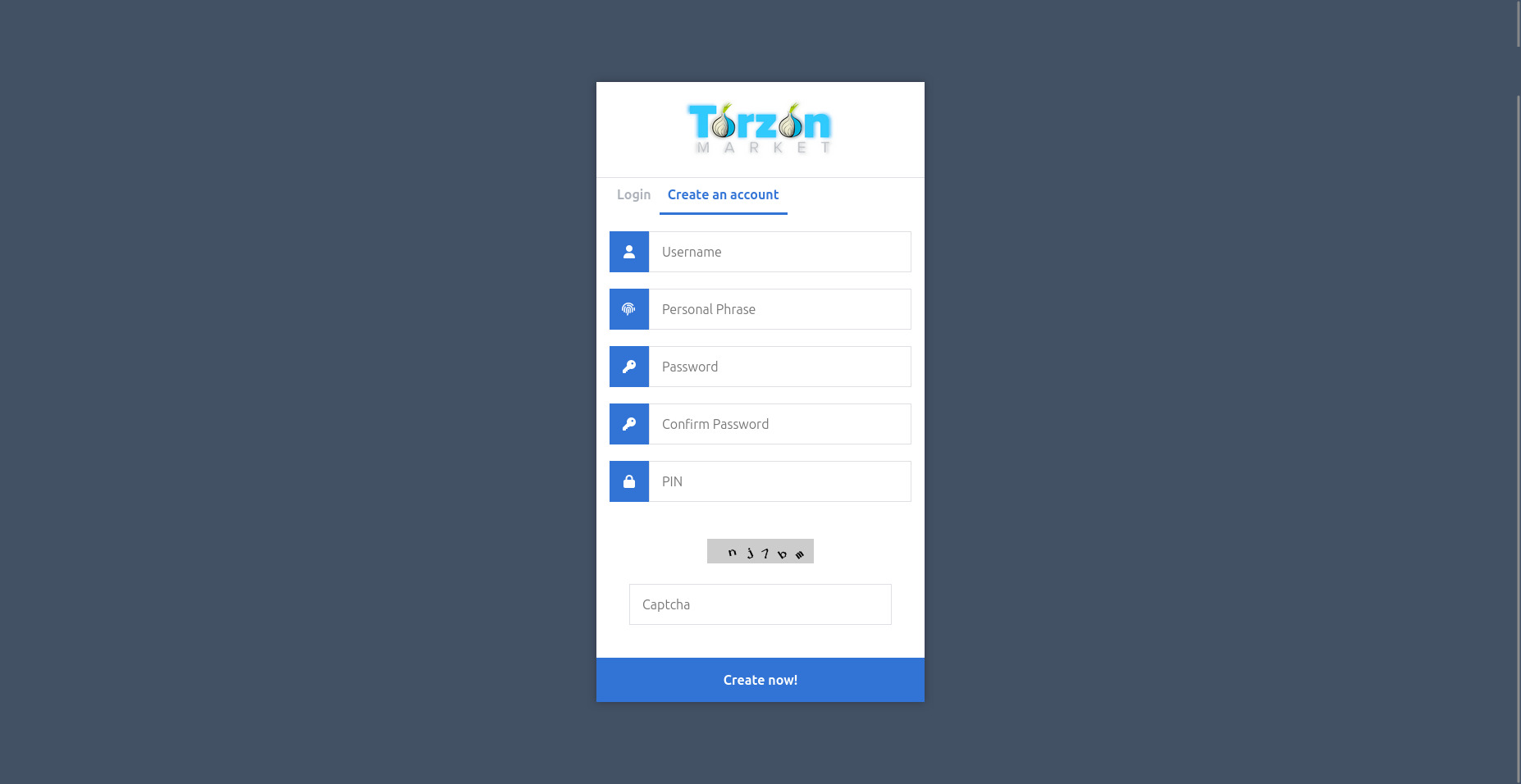
Figure 1.2: Account Creation
Mnemonic seed generation for decentralized account recovery.
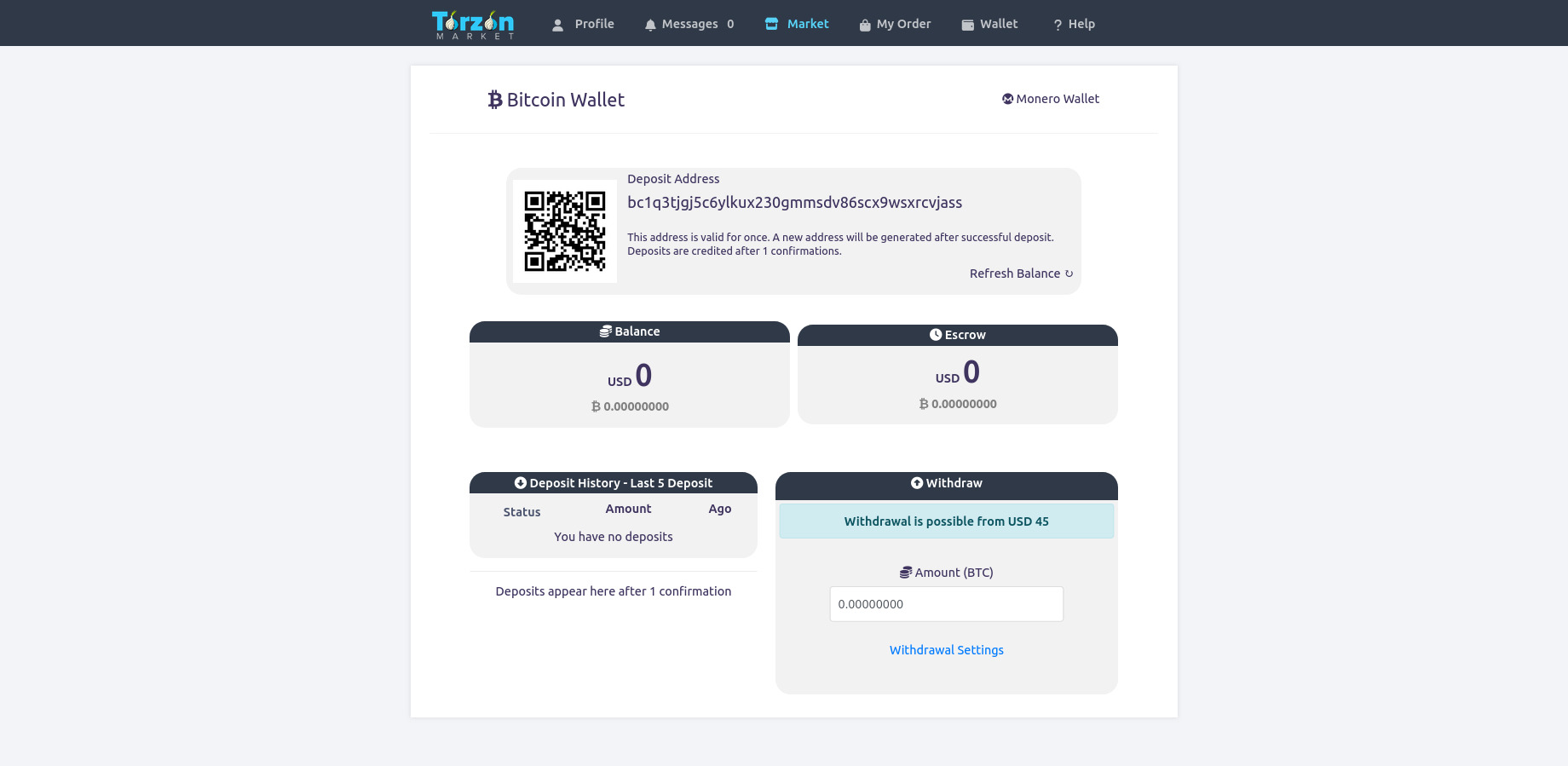
Figure 1.3: User Dashboard
Primary navigation structure and search algorithm results.
Operational Timeline
Initial Deployment
The TorZon architecture was first identified on the Tor network. Early versions featured a basic escrow system and Bitcoin-only support. The codebase appeared to be a fork of earlier established market engines, heavily modified for modern PHP frameworks.
Monero Integration & Security Hardening
In response to blockchain analysis advancements, TorZon implemented forced Monero (XMR) options for high-value transactions. This period also saw the introduction of the rotating mirror system to combat persistent DDoS attacks common to the sector.
Scalability Optimization
Current analysis indicates a focus on search index optimization and vendor bond requirements. The user base has stabilized, and the infrastructure now supports a higher throughput of concurrent connections without significant latency degradation.